Key takeaways
- Exploring Powder Coating. Powder coating is a finishing method widely employed in manufacturing and industrial settings.
- The Benefits of Polyurea. Polyurea is a coating material with advantages over powder coating.
- Comparing Performance; Polyurea vs. Powder Coating. When comparing polyurea with powder coating, several factors need to be considered.
- Real World Uses of Polyurea. The adaptability and effectiveness of polyurea have established it as an option across sectors.
In the realm of coatings it’s essential to choose the option to ensure surfaces last and perform well. Powder coating and polyurea are choices, with features and uses. Knowing the disparities between these coatings aids in making informed choices. This piece delves into powder coating and polyureas traits highlighting why polyurea often offers safeguarding.
Exploring Powder Coating
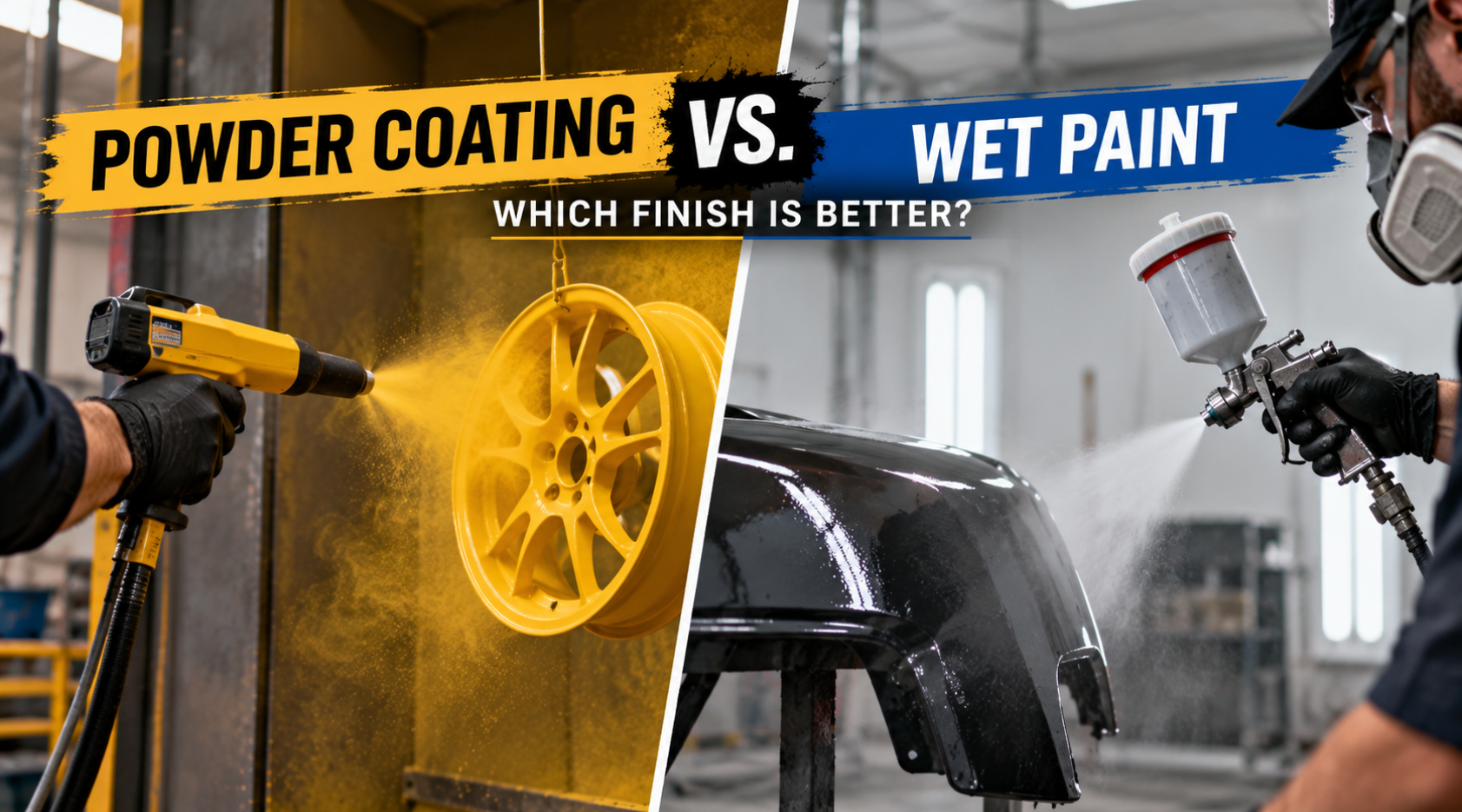
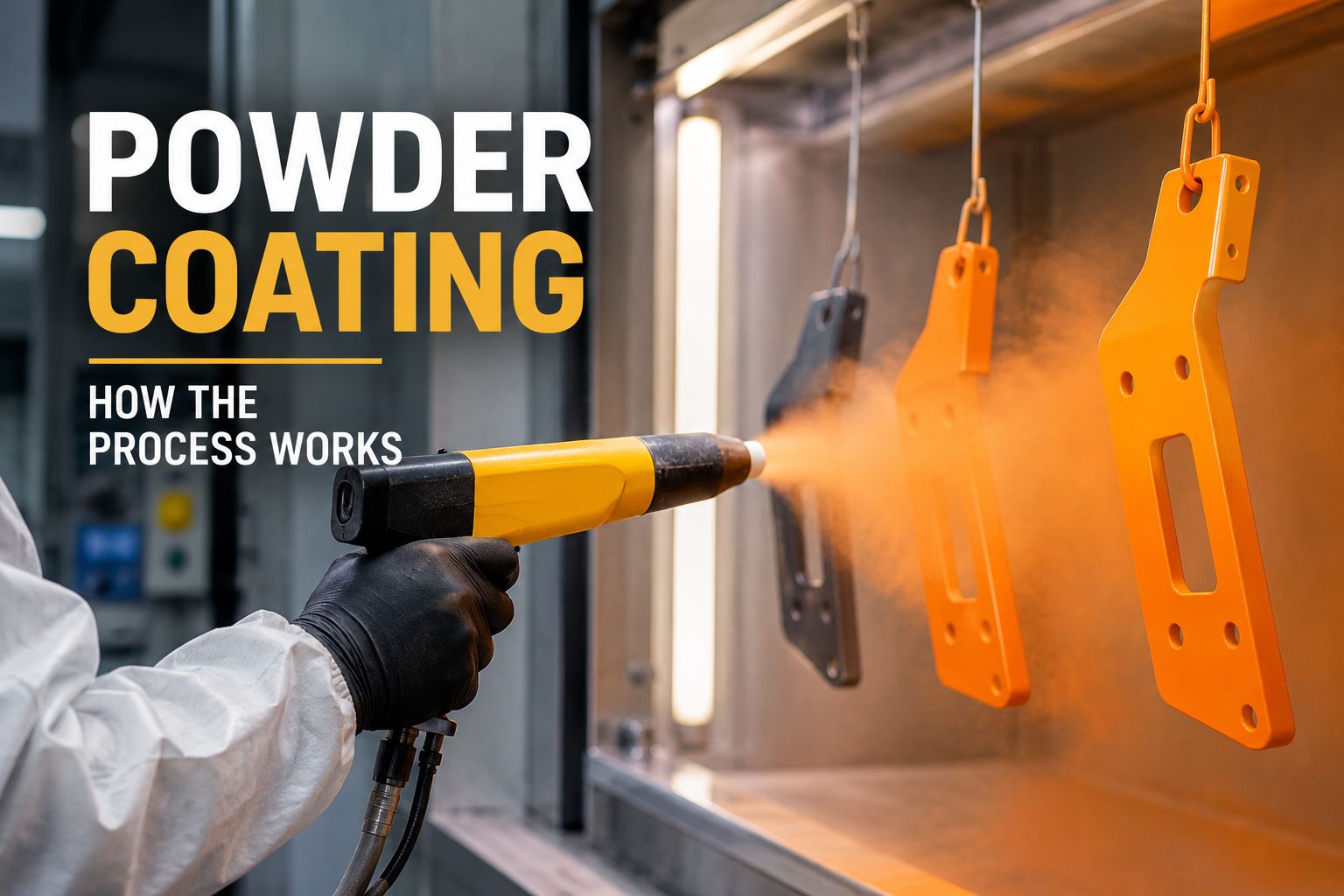
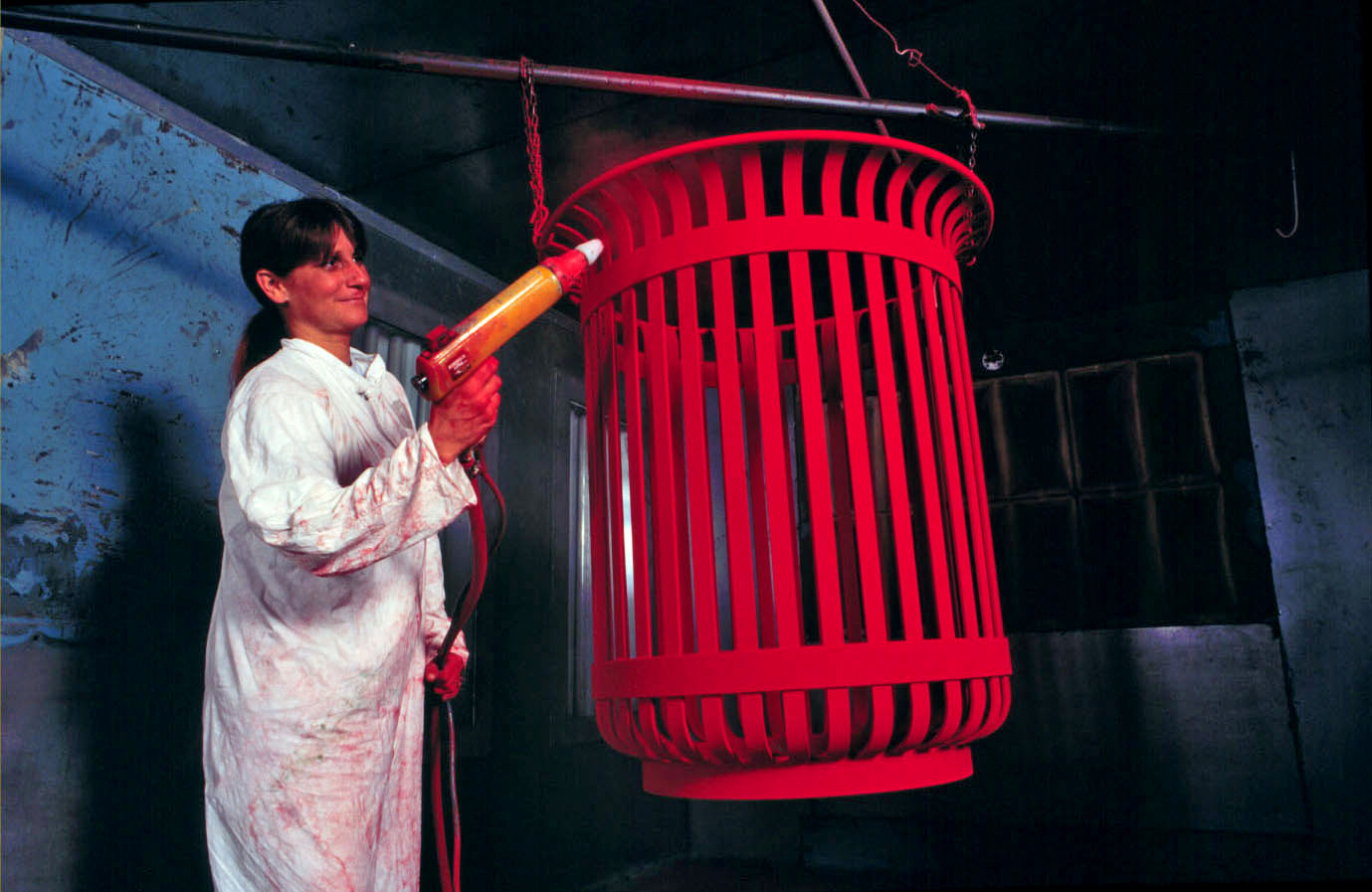
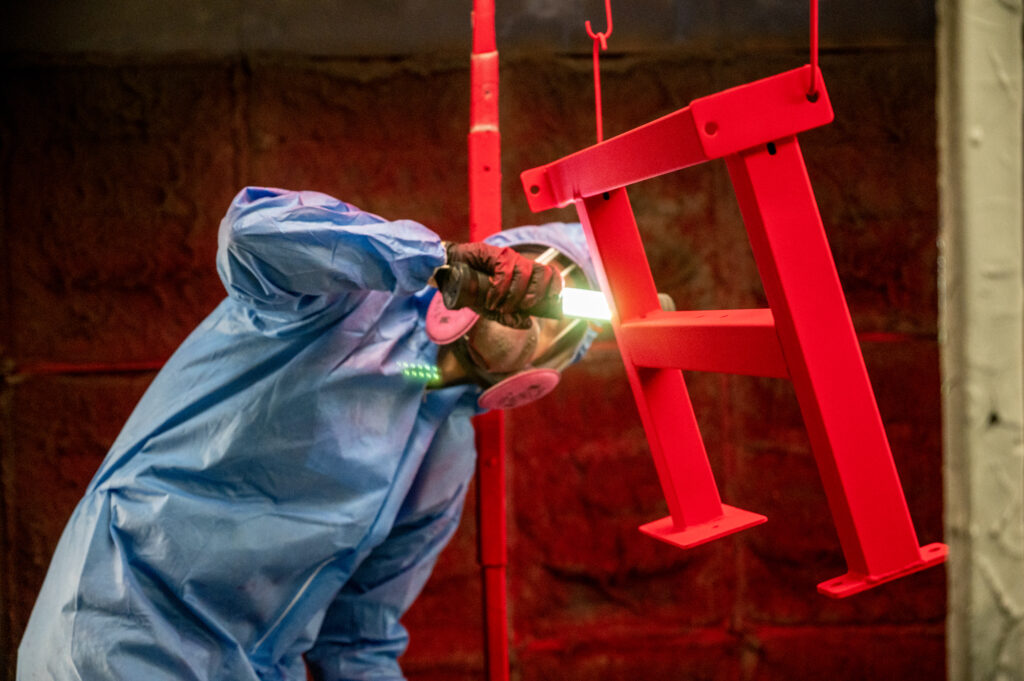
Powder coating is a finishing method widely employed in manufacturing and industrial settings. It entails applying a powder—typically composed of polyester, epoxy or acrylic resins—onto a metal surface. The powder carries a charge causing it to stick to the surface. Once applied the coated item undergoes heating in a curing oven, where the powder liquefies and forms a sleek sturdy exterior.
Powder coating is favored for its capacity to produce an appealing finish. It’s commonly used to coat components, household appliances, metal furnishings, and industrial machinery. The process results in a layer that wards off chips, scratches, and color fading.
Nevertheless powder coating has its limitations. It necessitates a treated surface, for proper adhesion and is best suited for metal substrates during application.
The requirement, for a curing oven also restricts the size and types of items that can be coated. Furthermore powder coating is less adaptable than some coatings making it susceptible to cracking under conditions.
The Benefits of Polyurea
Polyurea is a coating material with advantages over powder coating. It is a spray-applied elastomer produced through a chemical reaction between an isocyanate component and a resin blend. Unlike powder coating, which is primarily used on metals, polyurea can be applied to surfaces such as concrete, wood, and plastic.
One of the strengths of polyurea lies in its flexibility. Upon application polyurea creates a membrane that can expand and contract along with the surface. This flexibility prevents cracking and peeling when there are temperature fluctuations or structural movements. The capacity of polyurea to uphold its integrity under stress makes it well-suited for applications requiring durability and longevity.
Polyurea also cures quickly solidifying within minutes of application. This rapid curing process minimizes. Enables project completion, rendering it an excellent option for industrial environments where efficiency is crucial. In contrast to powder coating that necessitates a curing oven, polyurea can be applied on-site in certain conditions.
The resistance of polyurea to chemicals is a benefit. It offers protection against water, chemicals and wear ensuring that the coated surface remains intact in tough conditions. This quality makes polyurea a popular choice for uses like safeguarding pipelines, industrial flooring and waterproofing. Learn more about polyurea here.
Comparing Performance; Polyurea vs. Powder Coating
When comparing polyurea with powder coating, several factors need to be considered. One crucial factor is the type of surface being coated. While powder coating works effectively on metals polyurea is more versatile as it can be applied to substrates. This flexibility makes polyurea an adaptable solution for projects.
Durability is another area where polyurea stands out. The robust and seamless coating formed by polyurea resists impact wear and chemical exposure. On the hand although powder coating is durable too it is more prone to chipping and cracking when subjected to stress. This makes polyurea a preferable choice for applications requiring levels of protection.
Furthermore the application process distinguishes polyurea from powder coating. Powder coating necessitates a controlled. Specialized equipment like a curing oven limiting its applicability to environments such, as factories or workshops.
Polyurea, however, can be conveniently applied on site in hard-to-reach locations. Its versatility in settings adds to its attractiveness for extensive or intricate projects.
Moreover the curing time of polyurea brings advantages. Projects can be finished swiftly. The coated surface can be quickly put back into use. This proves beneficial in industries where time plays a role, such as construction, oil and gas and manufacturing.
Real World Uses of Polyurea
The adaptability and effectiveness of polyurea have established it as an option across sectors. Within construction polyurea serves to foundations, roofs and parking structures. Its seamless barrier creation that resists water and chemicals ensures enduring protection for these constructions.
In the sector polyurea finds application in truck bedliners to shield the bed from impact, abrasion and corrosion. The pliability of polyurea enables it to mold to the truck bed’s contours for a visually appealing finish.
Industrial sites benefit from polyurea’s capacity to safeguard floors, equipment and containment areas, against chemical spills,
abrasion, and heavy usage.
Polyurea is known for its application and curing times which help minimize disruptions, to daily operations. This makes it an efficient solution for maintaining safety and durability in environments.
In the marine industry polyureas properties are highly valued. It is commonly used to coat boat hulls, docks and other marine structures to protect them from the effects of saltwater and weather conditions. The flexibility and durability of polyurea ensure that these structures can withstand the demanding conditions of the marine environment.
In comparison to powder coating polyurea offers advantages in terms of performance, application ease and versatility. While powder coating provides a finish for metal surfaces its limitations lie in the application process and compatibility with substrates. On the hand polyureas flexibility, quick curing time and resistance to factors make it a more robust solution for a wide range of applications.
The versatility of polyurea in terms of surface compatibility combined with its durability and ease of application make it a preferred choice for industries requiring high performance coatings. Whether its safeguarding a foundation, truck bed or marine structure polyurea offers protection.
For those looking for lasting results and adaptability to environments, polyurea emerges as a top-tier option.
Its demonstrated effectiveness in fields, underscores its importance as a dependable protective coating option.
Teresa Wallace
Written by the team at Gorilla Powder Coating — 13+ years of automotive, industrial and custom finishing work. Questions about your own project? Get in touch.
Ready to get it coated?
Send us the part, the color and the timeline. You will get honest pricing and a realistic turnaround before anything goes in the booth.