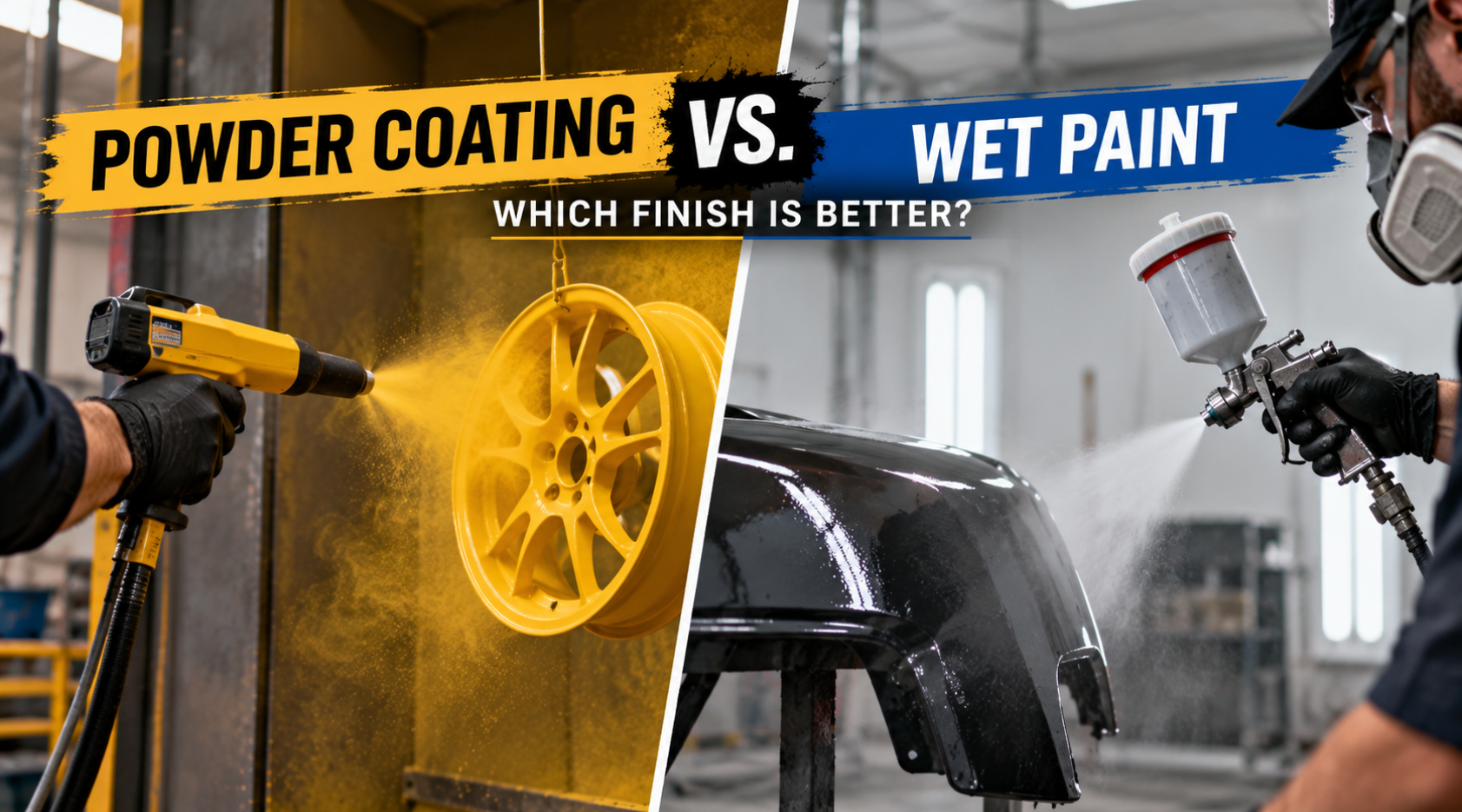
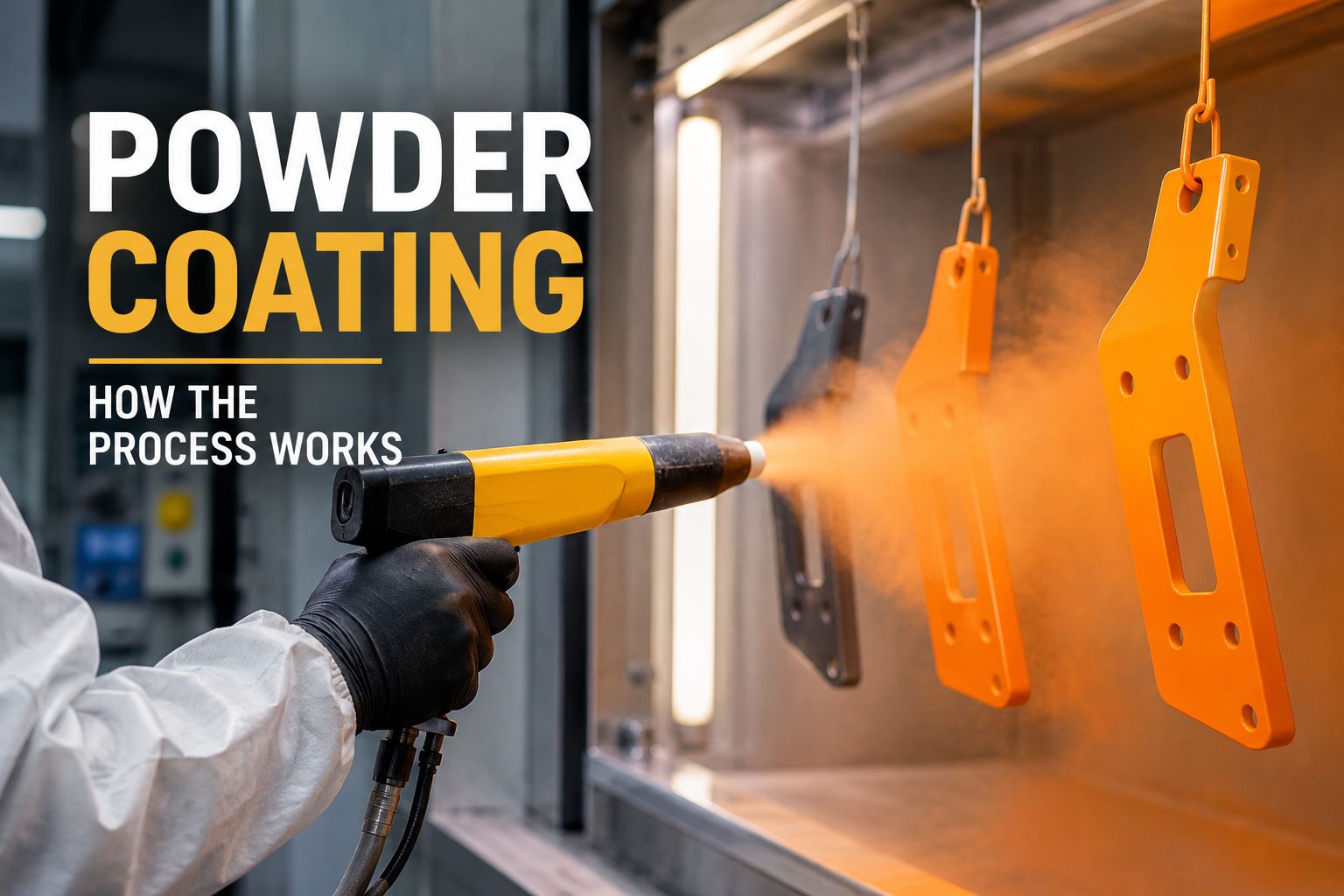
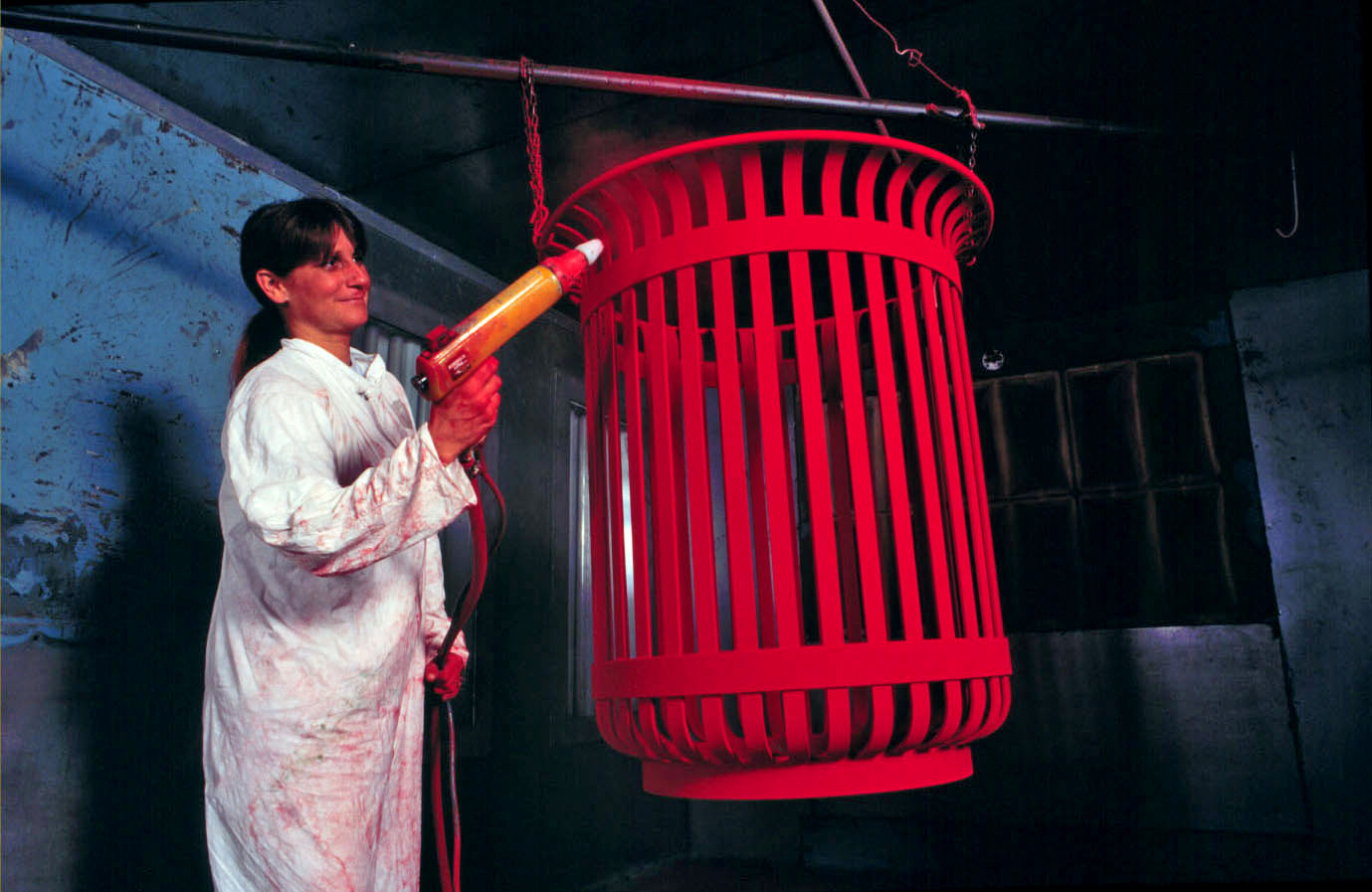
When it comes to protecting and enhancing the durability of various surfaces, including metal, concrete, wood, and plastic, coating systems play a crucial role. Among the various coating options available in the market, polyurea and powder coatings have gained popularity for their excellent protective properties and aesthetic appeal. However, polyurea coating stands out as the superior choice due to its numerous advantages over powder coating.
Polyurea coatings are a type of spray-applied elastomer that provide a seamless, flexible, and waterproof barrier on various surfaces. Unlike powder coatings, which require a curing process, polyurea coatings cure rapidly, resulting in a quick and efficient application. This allows for a faster turnaround time and reduces production delays, making it a preferred choice for industries that require high productivity and minimal downtime.
One of the most significant advantages of polyurea coating over powder coating is its exceptional durability and resistance to abrasion. Polyurea coatings exhibit excellent impact and scratch resistance, making them ideal for surfaces that are subject to heavy use or wear and tear, such as industrial flooring, truck bed liners, or playground equipment. In contrast, powder coatings are prone to chipping, cracking, and peeling when exposed to harsh conditions or physical stress.
Polyurea coatings also surpass powder coatings in terms of chemical resistance. They are highly resistant to various chemicals, including acids, solvents, fuels, and oils. This makes them suitable for applications in industries such as manufacturing, oil and gas, chemical processing, and automotive, where exposure to corrosive substances is common. On the other hand, powder coatings may not provide the same level of chemical resistance, compromising the longevity and performance of coated surfaces.
Another significant advantage of polyurea coating is its remarkable flexibility. It can expand and contract along with the substrate, making it an excellent choice for surfaces that are exposed to temperature variations or structural movement. This characteristic allows for a better adhesion and prevents the coating from cracking or peeling, ensuring long-term durability and protection. In contrast, powder coatings are rigid and may crack or delaminate under extreme temperature fluctuations or stress, compromising the integrity of the coated surface.
In terms of aesthetics, polyurea coatings offer superior options and versatility compared to powder coatings. Polyurea coatings are available in a wide range of colors and finishes, including glossy, matte, and textured. They can be customized to match specific design preferences or branding requirements. Furthermore, polyurea coatings can be applied in various thicknesses, ranging from a thin, protective layer to a thicker, chip-resistant coating. This versatility allows for a more precise application and desired appearance, making it an excellent choice for architectural applications, automotive customization, or decorative coatings.
While powder coatings require an extensive curing process, polyurea coatings can be applied on a wide range of surfaces, including vertical or overhead surfaces, without sagging or running. This feature ensures a seamless and uniform finish, even on complex or intricate geometries. Moreover, polyurea coatings have an incredibly fast drying time, allowing for multiple coats in a single day, reducing labor and overall project cost. In contrast, powder coatings require a more tedious and time-consuming process, including pre-treatment, curing time, and reheating for adhesion, resulting in higher production costs and longer turnaround times.
Polyurea coatings are also known for their excellent UV resistance, which is crucial for outdoor applications. They are highly resistant to fading, chalking, or yellowing when exposed to prolonged sunlight and harmful UV radiation. This UV stability ensures that the coating maintains its color and appearance for an extended period, without the need for regular repainting or touch-ups. On the other hand, powder coatings may experience color fading and deterioration when exposed to UV radiation, thus reducing the overall lifespan of the coating.
In conclusion, polyurea coatings offer numerous advantages over powder coatings in terms of durability, chemical resistance, flexibility, aesthetics, and application efficiency. With their exceptional protection against abrasion, impact, and corrosion, polyurea coatings prove to be the superior choice for industries that require long-lasting, high-performance coatings. Whether it is for industrial flooring, automotive customization, or architectural coatings, polyurea offers a versatile and reliable solution that ensures superior quality, longevity, and visual appeal.
Teresa Wallace
Written by the team at Gorilla Powder Coating — 13+ years of automotive, industrial and custom finishing work. Questions about your own project? Get in touch.
Ready to get it coated?
Send us the part, the color and the timeline. You will get honest pricing and a realistic turnaround before anything goes in the booth.