Key takeaways
- Introduction to Powder Coating. Powder coating is a dry finishing process that involves applying a free-flowing, electrostatically charged powder to a surface.
- The Advantages of Powder Coating. Durability: Powder-coated surfaces exhibit superior resistance to scratching, chipping, and fading.
- Understand Polyurea: A Versatile Companion. While exploring the world of coating alternatives, polyurea often enters the spotlight alongside powder coating.
- The Application Process. Powder coating involves a straightforward application process:
As researchers in the field of coating, we are constantly on the lookout for innovative techniques that can enhance the durability, efficiency, and aesthetics of our coatings. Among the various coating methods available, powder coating has emerged as a revolutionary solution, offering unparalleled advantages over traditional coating methods. In this article, we will delve into the world of powder coating, exploring its benefits and applications, as well as its cousin technique, polyurea.
Introduction to Powder Coating
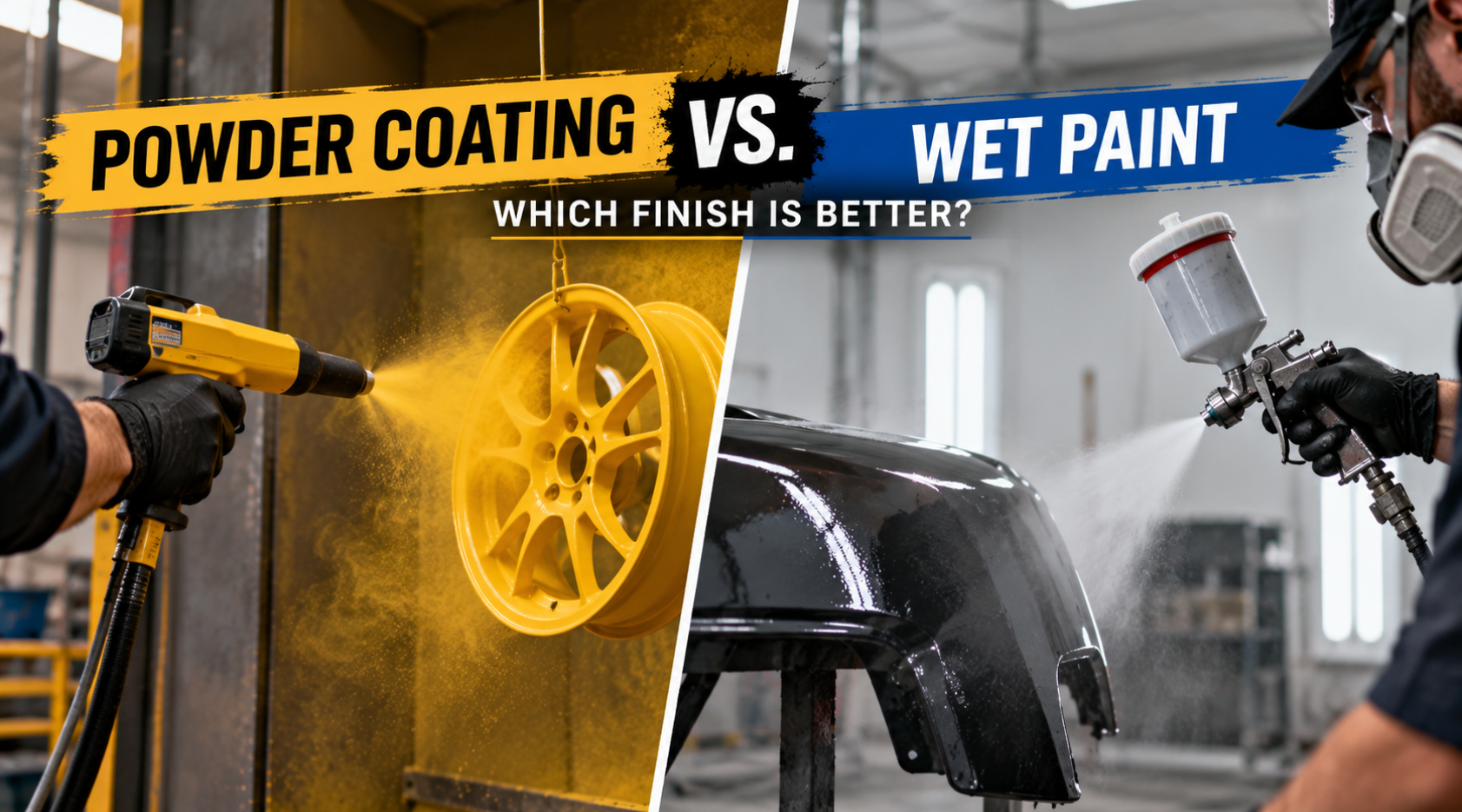
Powder coating is a dry finishing process that involves applying a free-flowing, electrostatically charged powder to a surface. The powder is typically composed of finely ground particles of thermoplastic or thermoset polymers, pigments, and functional additives. This unique composition allows for precise control over the coating’s attributes, such as color, texture, and thickness.
The Advantages of Powder Coating
-
Durability: Powder-coated surfaces exhibit superior resistance to scratching, chipping, and fading. This resilience makes powder coating ideal for high-traffic areas or objects exposed to harsh environments, greatly extending their lifespan.
-
Eco-Friendliness: Unlike liquid coatings, powder coating does not contain volatile organic compounds (VOCs) or hazardous air pollutants (HAPs). Additionally, overspray can be collected and reused, minimizing waste and reducing the environmental impact.
-
Efficiency and Cost-effectiveness: Powder coating offers high transfer efficiency and quick curing times. The absence of solvents ensures minimal material loss and decreases the overall production time, resulting in significant cost savings.
-
Versatility: Powder coating can be applied to a wide range of materials, including metals, woods, plastics, and composites. The process can accommodate complex shapes and can be tailored to various applications, from automotive parts and household appliances to outdoor furniture and architectural structures.
Understand Polyurea: A Versatile Companion
While exploring the world of coating alternatives, polyurea often enters the spotlight alongside powder coating. Polyurea is a type of sprayable elastomeric polymer that forms a protective and flexible coating. When combined with powder coating, polyurea enhances the overall performance of the coating, resulting in exceptional durability and impact resistance.
Polyurea acts as a topcoat, effectively sealing and protecting the powder-coated surface against corrosion, abrasion, and chemical attacks. This combination is particularly valuable in applications where the coating is exposed to extreme conditions, such as industrial equipment, pipelines, or marine structures.
Additionally, polyurea can be tailored to achieve specific properties, such as high elasticity, flexibility, or fire resistance. It can also be formulated for rapid curing, reducing downtime in industrial applications.
The Application Process
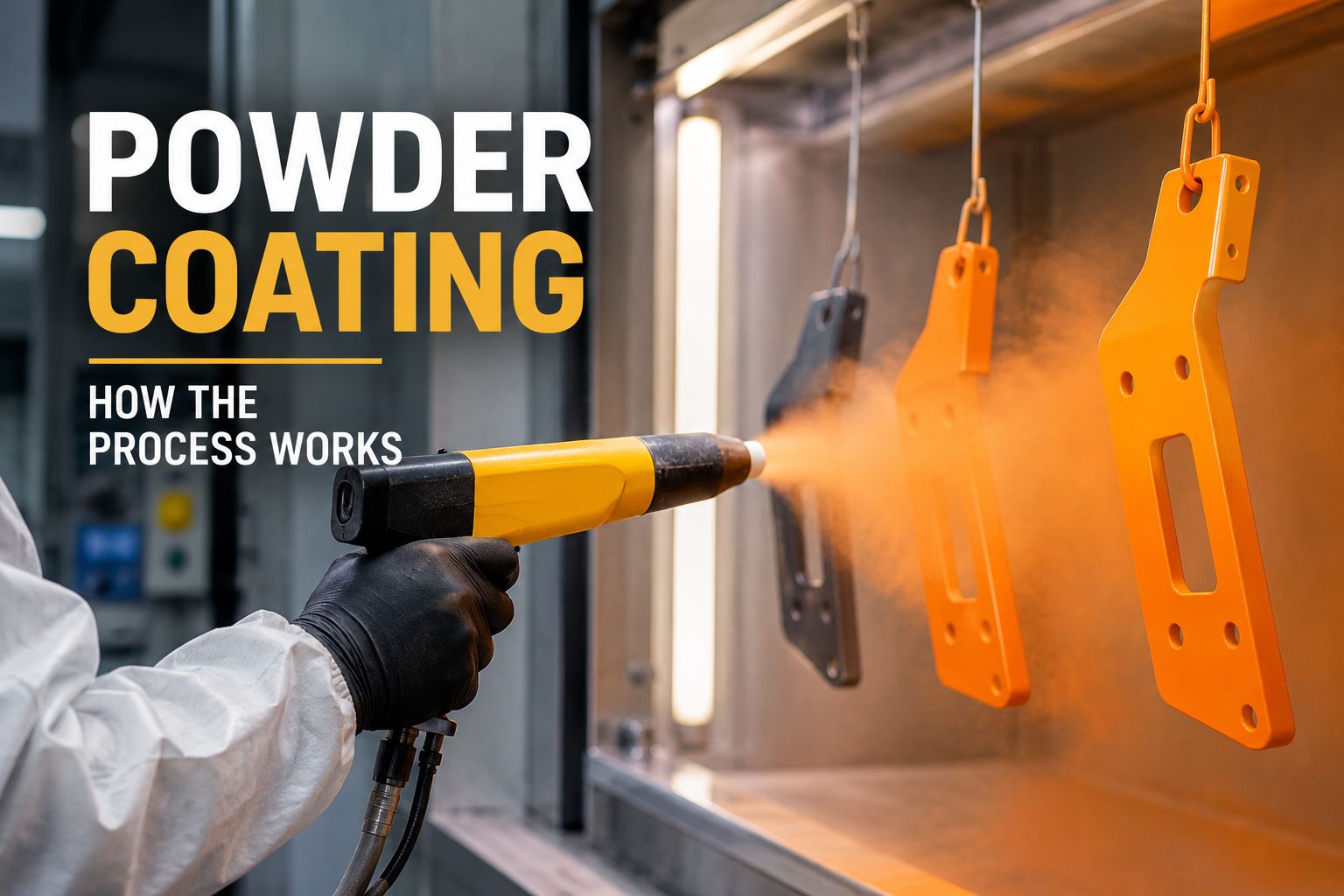
Powder coating involves a straightforward application process:
-
Surface Preparation: The substrate is thoroughly cleaned to remove any contaminants, such as grease, dirt, or rust. This ensures optimal adhesion and minimizes the risk of coating defects.
-
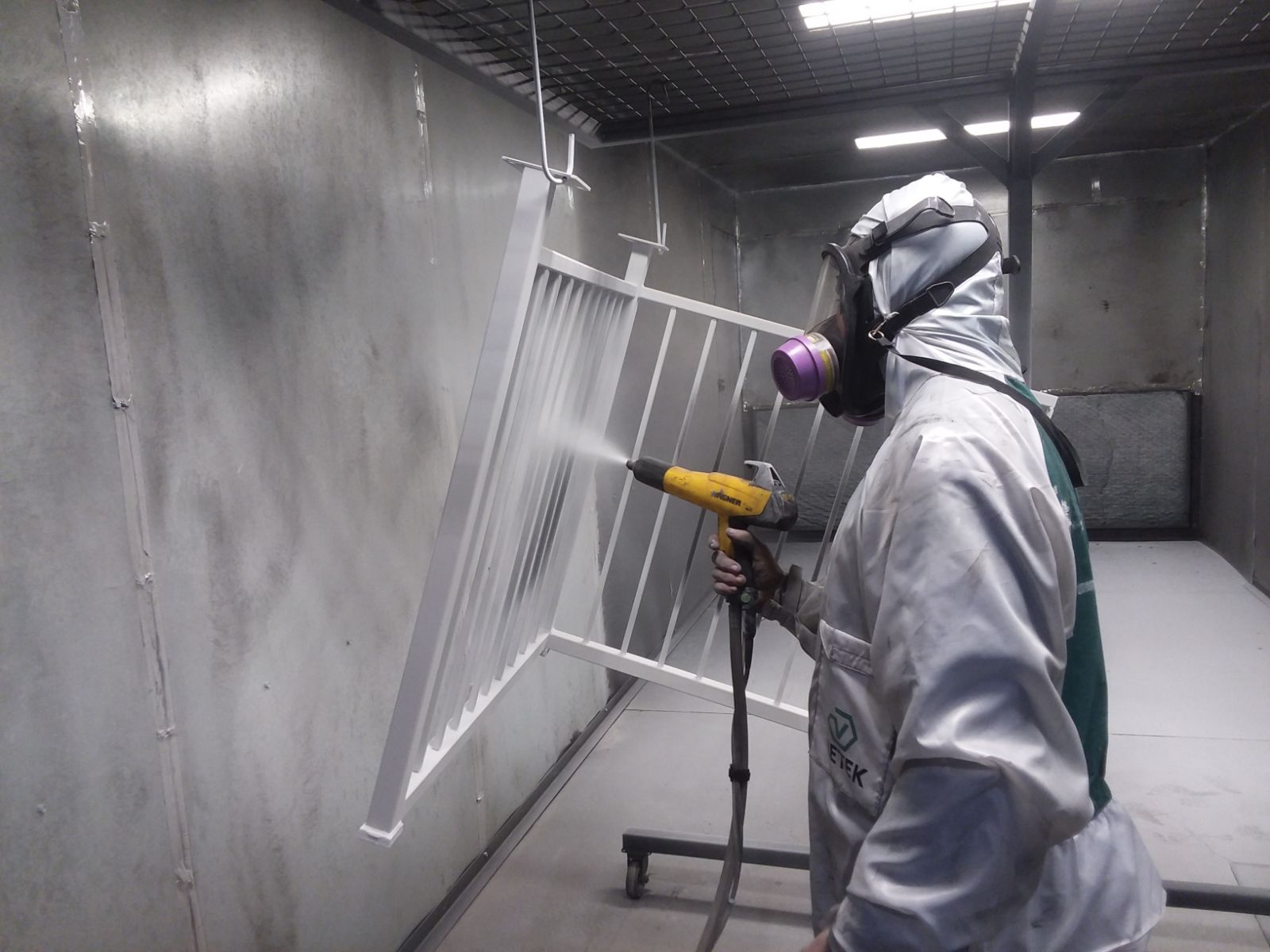
Electrostatic Application: The powder coating is electrostatically charged and sprayed onto the grounded surface using specialized equipment. The charged particles adhere to the substrate, creating a uniform and consistent coating.
-
Curing: The coated object is then transferred to a curing oven, where it undergoes a high-temperature baking process. This results in the fusion of the powder particles, forming a solid and durable coating.
Conclusion
As coating researchers, our pursuit of excellence leads us to embrace innovative techniques that surpass conventional methods. Powder coating, with its unmatched durability, eco-friendliness, and cost-effectiveness, is undoubtedly one such technique. By incorporating polyurea into the powder coating process, we can further enhance the performance of coatings, pushing the boundaries of what is possible in terms of protection and longevity.
To meet the evolving demands of various industries, it is essential for coating researchers to embrace powder coating and explore its integration with complementary technologies like polyurea. Together, these techniques open up a world of possibilities, revolutionizing the field of coatings and paving the way for new and exciting developments.
Teresa Wallace
Written by the team at Gorilla Powder Coating — 13+ years of automotive, industrial and custom finishing work. Questions about your own project? Get in touch.
Ready to get it coated?
Send us the part, the color and the timeline. You will get honest pricing and a realistic turnaround before anything goes in the booth.